

The concept of zero waste has emerged as an essential strategy for promoting sustainability and mitigating the global waste crisis. As the world grapples with growing landfills, environmental degradation, and resource depletion, individuals are increasingly seeking practical ways to minimize their waste footprint. Creating a zero waste home involves adopting habits and practices that reduce or eliminate waste generation associated with daily life.
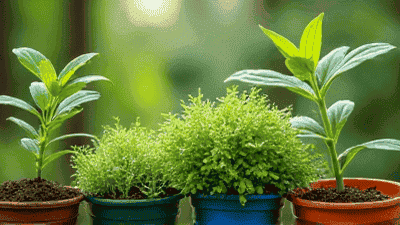
Gardening has long been a cherished activity, providing nourishment, beauty, and a sense of connection to nature. As more individuals recognize the importance of sustainable practices, methods like companion planting have gained popularity. This holistic approach to gardening not only promotes plant health but also encourages biodiversity, natural pest control, and increased yields.

With growing concerns about environmental sustainability, many homeowners are seeking ways to create and maintain lawns that are not only beautiful but also eco-friendly. Conventional lawn care often relies on chemical fertilizers and pesticides that can harm the environment, disrupt local ecosystems, and pose health risks to humans and pets. In contrast, eco-friendly lawn care emphasizes natural techniques, sustainable practices, and organic products that promote a healthy lawn while safeguarding the plane

As the global population continues to grow and climate change becomes an increasingly urgent issue, the way we approach food and our diets plays a crucial role in shaping the health of our planet. Food choices not only influence our personal health but also have a profound impact on the environment. Sustainable eating practices can help mitigate environmental degradation while promoting health and well-being.

In the quest for sustainable living, one of the most effective strategies is implementing rainwater harvesting systems. Rainwater harvesting involves collecting and storing rainwater for later use, providing a free and eco-friendly resource that can significantly impact your garden’s sustainability.